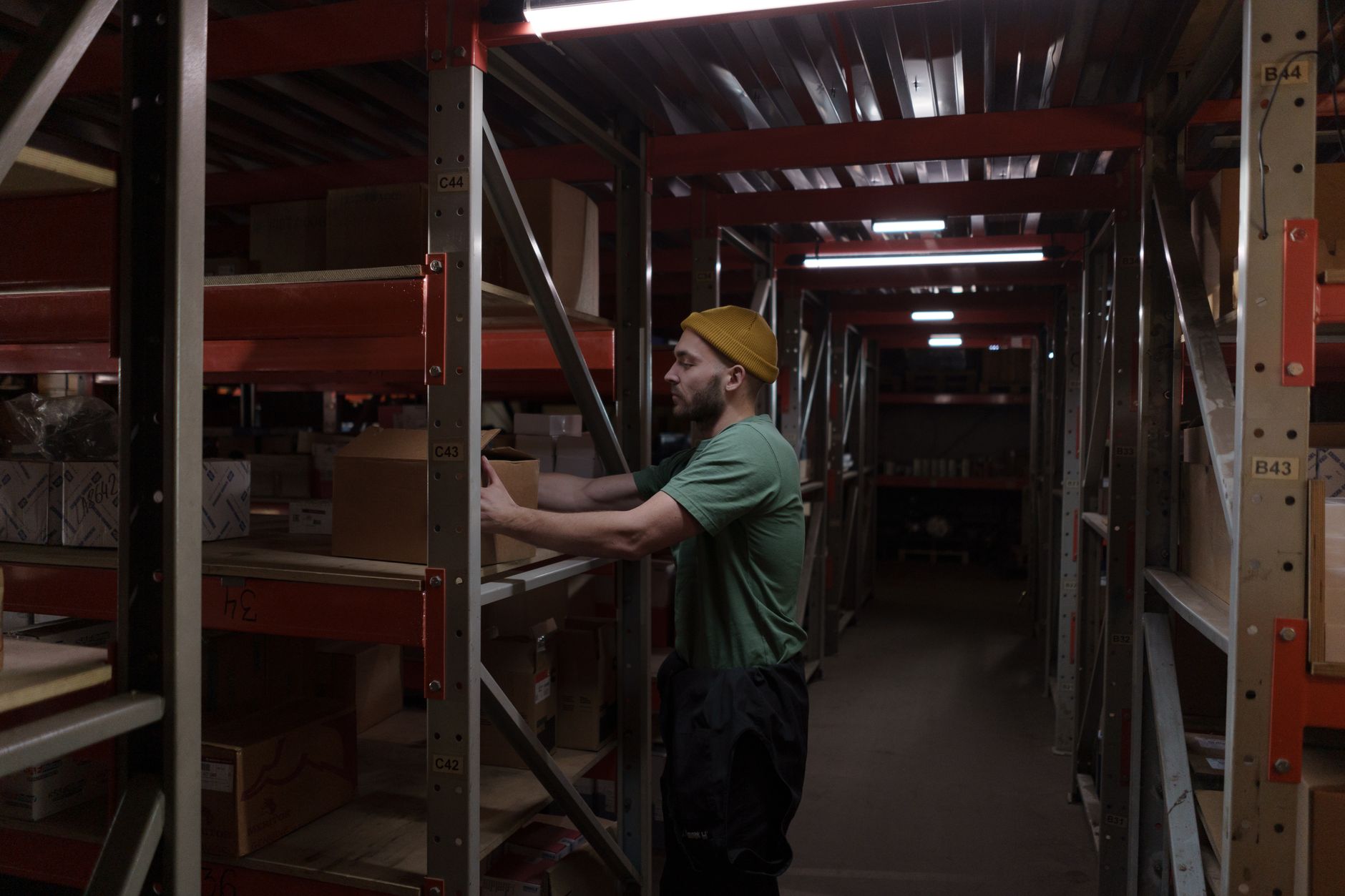
Creator seeding logistics automation is AI-driven software that manages every operational step of an influencer gifting campaign, including creator outreach, follow-up sequencing, shipping coordination, and post-tracking, without manual effort per creator. It enables brands to run campaigns with 200 to 500-plus creators simultaneously while keeping communication personalized and on-brand.
How Creator Seeding Logistics Automation Works
At its core, creator seeding logistics automation replaces the spreadsheet-and-coordinator model with an AI agent that executes outreach, monitors replies, and triggers shipping actions autonomously. Rather than scheduling pre-written email blasts, the system reads creator profile data (niche, audience size, engagement history, prior collaborations) and generates personalized copy for each contact. When a creator replies to confirm participation, the system logs that acceptance and fires a shipping request directly into the fulfillment workflow without any human handoff between marketing and operations. The goal is to turn influencer gifting from a spreadsheet-heavy process into a repeatable micro-fulfillment operation that scales like a supply chain, not like a staffing plan. Post-delivery, an automated check-in confirms receipt and surfaces the content brief. After the posting window closes, the system flags which creators posted and which did not, compiling that into a campaign report. At Flydove, we built the platform to layer directly on top of a brand's existing email infrastructure, so every message appears to come from the brand's own mailbox rather than a generic SaaS sender address. That detail preserves authenticity and protects creator relationships.
What the Automation Handles Step by Step
Understanding the precise workflow makes it easier to see where automation eliminates labor. The sequence below reflects how a D2C beauty brand running a 300-creator gifting campaign would experience the system in practice.
- Step 1, Initial outreach: A personalized email is generated from creator profile data and sent from the brand's mailbox. Subject lines, product references, and tone adapt to each creator's niche without manual writing.
- Step 2, Automated follow-up: If no reply arrives within a set window (typically 3 to 5 days for nano creator outreach), the AI sends a follow-up without any human prompt. For micro creators with larger audiences, the follow-up cadence can be extended to avoid appearing aggressive.
- Step 3, Acceptance logging and shipping trigger: When a creator confirms participation, the system logs acceptance and pushes a shipping request to the fulfillment workflow automatically, reducing manual handoffs.
- Step 4, Post-delivery check-in: After estimated delivery, an automated message confirms receipt and re-shares the content brief, reducing creator confusion and improving post-through rates.
- Step 5, Deliverable tracking and reporting: Once the posting window closes, the system flags each creator as posted, no-post, or pending and compiles the data into a shareable campaign report for leadership or agency clients.
Reducing shipping errors is a direct output of Step 3. When shipping triggers are embedded in the communication workflow rather than managed through a separate spreadsheet handoff, the risk of sending to wrong addresses or duplicating shipments drops sharply. At the scale of hundreds of creator shipments, even a small error rate on manual processes translates to meaningful wasted product and budget.
Why Creator Seeding Logistics Automation Matters for D2C Brands
Most in-house influencer marketing teams hit a hard ceiling around 50 creators per campaign because every outreach action, follow-up, and tracking update requires a human touch. For example, consider an in-house team at a D2C skincare brand managing a holiday campaign for their new vitamin C serum. At 50 creators, one coordinator can handle outreach, follow-ups, and shipping coordination manually. But when the brand wanted to scale to 200 creators for the same campaign to reach more nano and micro influencers, the coordinator faced 15+ hours per week of repetitive outreach and follow-up work, forcing the team to either hire additional staff or cap the campaign size. Beyond that threshold, the operational load forces a choice between hiring a dedicated coordinator, outsourcing to an agency, or simply capping campaign size. Automation removes that ceiling without adding headcount.
The financial case is direct. Product seeding campaigns cost roughly $25 to $170 per creator in COGS and shipping (everything-pr.com). Without consistent follow-up, only 30 to 50% of seeded creators typically post (everything-pr.com). That is the ROI story that matters to leadership, and it is only possible when follow-up sequences run reliably rather than depending on a coordinator's available hours.
The budget context reinforces urgency. US creator ad spend reached $37 billion in 2025, up 26% year over year (blazehive.io). In 2026, that figure climbs to $43.9 billion including paid amplification (blazehive.io), with 15.7% year-over-year growth in US influencer marketing spend (blazehive.io). By 2027, nano and micro influencers alone are projected to account for 47.1% of total US influencer marketing spend, representing nearly $7.5 billion flowing to creators with fewer than 20,000 followers (linkedin.com). D2C beauty and wellness brands competing for nano and micro creator attention need operational infrastructure that can match the volume demands of that channel.
Measurement and attribution are where many seeding programs fall apart. Generic campaign tracking connects a shipment to a creator but cannot link that creator's content to downstream sales. Purpose-built seeding automation tools solve this by associating unique discount codes, affiliate links, or UTM-tagged URLs with each creator record at the moment of outreach confirmation. When a consumer uses that code or clicks that link, the sale traces back to a specific creator and campaign, giving brands conversion lift data rather than just impression estimates.
Manual tracking through spreadsheets produces fragmented reporting that is difficult to defend as ROI evidence. Automation that connects posts, discount codes, and sales to individual creators gives brand leads and agency account managers a clean data layer that feeds directly into client presentations. The administrative labor saved also creates space for strategic work: creator selection, brief development, and relationship building. Automation does not replace creative strategy. It removes the operational weight that crowds it out.
How Creator Seeding Automation Differs from Standard Influencer Marketing Platforms
Standard influencer marketing platforms provide creator databases, CRM-style contact records, and campaign dashboards. They are valuable tools. But they still require a human to open the platform, review a creator record, compose a message, and click send for every individual outreach action. At 50 creators, that is manageable. At 500, it is a full-time job.
Creator seeding logistics automation operates differently. The system takes autonomous action: it sends, follows up, responds to standard confirmations, and triggers shipping without a human reviewing every message before it goes out. The key differentiator is not the feature list; it is agency. A CRM organizes data for a human to act on. An automation agent acts on behalf of the brand within defined parameters.
Flydove is designed to complement existing platform investments rather than replace them. If a brand uses a discovery platform to build its creator list and vet audience quality, that list flows into Flydove's execution layer. The discovery and CRM functionality stays where it is. What Flydove adds is the autonomous execution layer: outreach, follow-up, shipping trigger, check-in, and reporting, all running without a coordinator touching each step. Platforms purpose-built for seeding logistics also integrate shipping triggers directly into the communication workflow, which general CRM platforms do not. That integration is what converts a confirmed creator reply into a fulfilled shipment without a manual handoff.
AI adoption in marketing is accelerating broadly. 86.4% of marketing teams use AI in at least some areas, according to HubSpot's 2026 State of Marketing survey (technologychecker.io). The teams building durable competitive advantage are the ones applying that AI to execution layers, not just content generation.
| Feature | Standard Influencer CRM | Seeding Logistics Automation |
|---|---|---|
| Creator database and discovery | Yes | Typically no (integrates with CRM) |
| Autonomous outreach and follow-up | No | Yes |
| Shipping trigger from confirmed reply | No | Yes |
| Post-delivery check-in messages | No | Yes |
| Deliverable tracking and gap reporting | Manual | Automated |
| Attribution via unique codes or links | Varies | Built into creator workflow |
| Human review required per message | Yes | No (within defined parameters) |
Results speak louder. The table above shows why seeding-specific automation is a distinct category, not an upgrade tier of existing CRM tools. Each row represents a step in the creator seeding campaign workflow. Standard platforms hand that step back to a human. Automation tools execute it.
Frequently Asked Questions
Does creator seeding logistics automation make outreach sound robotic or generic?
Can automation tools handle the full shipping and fulfillment process, or just the communication side?
Is creator seeding automation suitable for agencies managing multiple brand clients at once?
What is the difference between a creator seeding platform and a seeding logistics automation tool?
How many creators can a seeding automation system realistically manage per campaign cycle?
How does influencer seeding logistics automation work?
What tasks can automation handle in product seeding campaigns?
Which platforms automate influencer gifting and fulfillment?
How much does influencer seeding logistics automation cost?
How can brands measure ROI from automated seeding?
Sources & References
- How Much Does Influencer Marketing Cost? Rates by Tier | EPR (opens in a new tab)[industry]
- Influencer Marketing Statistics 2026: Spend, Pay, Trust, ROI (opens in a new tab)[industry]
- AI in Marketing Statistics Q3 2026: Adoption, ROI and Trust - TechnologyChecker.io (opens in a new tab)[industry]
- Nano and Micro Creators set to Control Half of Influencer Marketing Budgets (opens in a new tab)[industry]
About the Author
Flydove
Flydove is an AI-powered influencer marketing assistant that automates creator gifting campaigns for D2C beauty and wellness brands, enabling teams to scale from 50 to 500+ creators quarterly without additional headcount.
Learn more at www.flydove.co → (opens in a new tab)Related Posts
How to Maintain Brand Voice Consistency Across Multiple Clients in an Influencer Seeding Agency
Maintaining distinct brand voices across multiple seeding clients is one of the hardest operational challenges an influencer agency faces. This guide covers the exact systems, documentation practices, and AI-assisted workflows that high-performing agencies use to keep every creator touchpoint on-brand, at any volume.
13 min read
Flydove vs Grin vs Aspire: Which Tool Actually Automates Creator Outreach End-to-End?
Most influencer platforms promise automation but still require a coordinator for every step. This comparison breaks down how Flydove, Grin, and Aspire handle creator outreach, follow-up, and reporting so you can choose the right tool before your next campaign.
12 min read
7 Best Ways to Find Fitness and Food Creators for Product Seeding Campaigns
Finding the right fitness and food creators for a product seeding campaign is the difference between organic UGC that converts and boxes that go unposted. This guide covers seven proven discovery methods, from AI-powered workflows to community-led sourcing, so your gifting budget reaches creators who actually post.
12 min read